
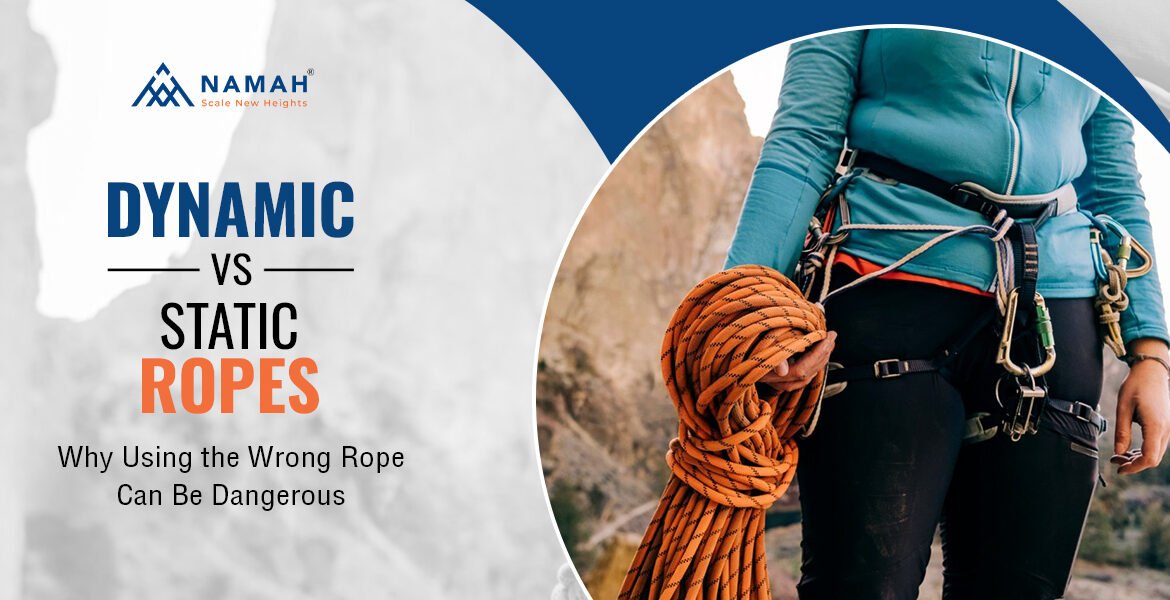
In vertical environments, rope selection is not a preference. It is a technical decision that directly affects safety. Climbers, industrial workers, and rescue professionals often focus on strength ratings alone. But the real difference lies in how ropes behave under load. Understanding dynamic vs static ropes is essential because each…
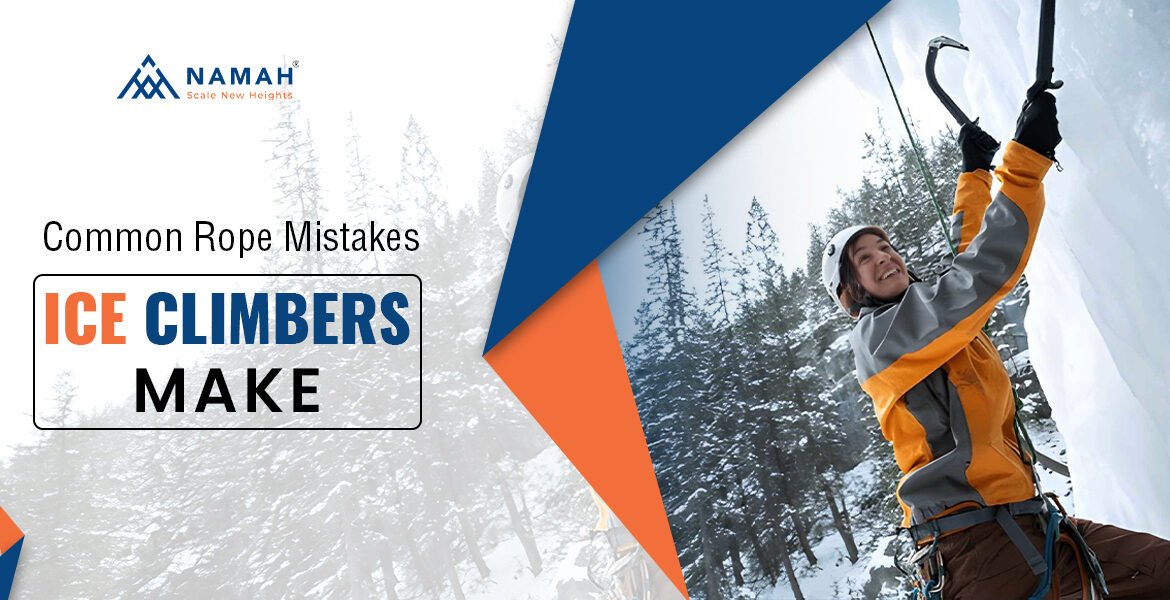
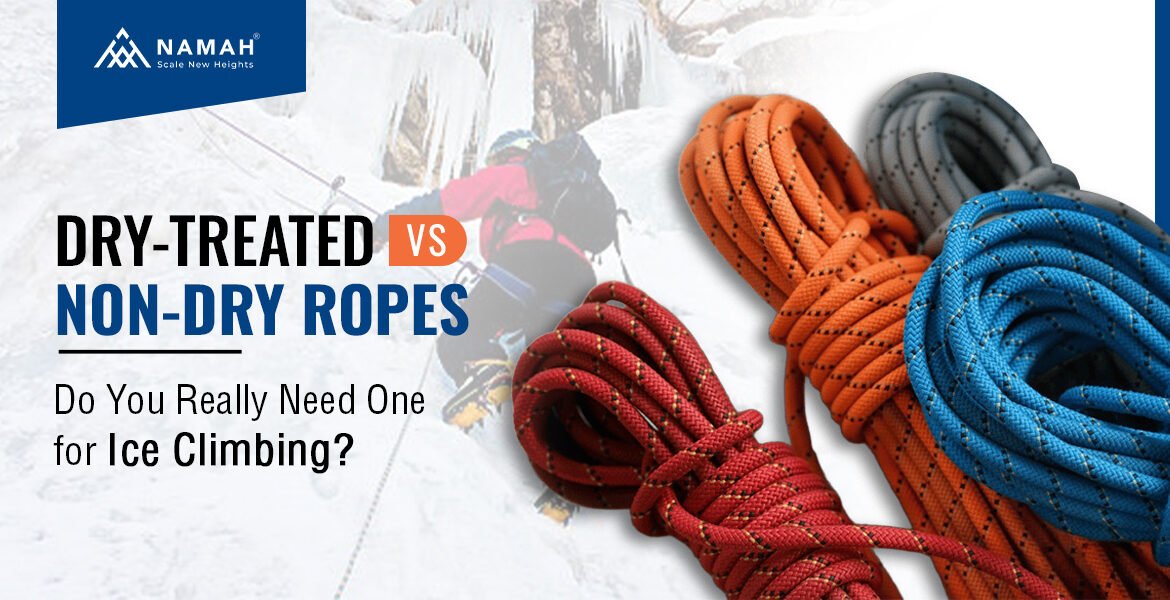
Ice climbing is unforgiving. Unlike rock, ice shifts with temperature, fractures unpredictably, and constantly exposes equipment to moisture and cold. In this environment, rope performance is not only about strength. It is about behaviour under freezing conditions, water exposure, and abrasion. Many accidents attributed to gear are not caused by…
Welcome to the Thirty- First edition of ClimbLife – our bi-monthly newsletter where we bring to you a curated collection of climbing facts & history, the latest news, the latest products in our offering, and the climber of the edition. Namah – A brand from an organization established since 1898,…
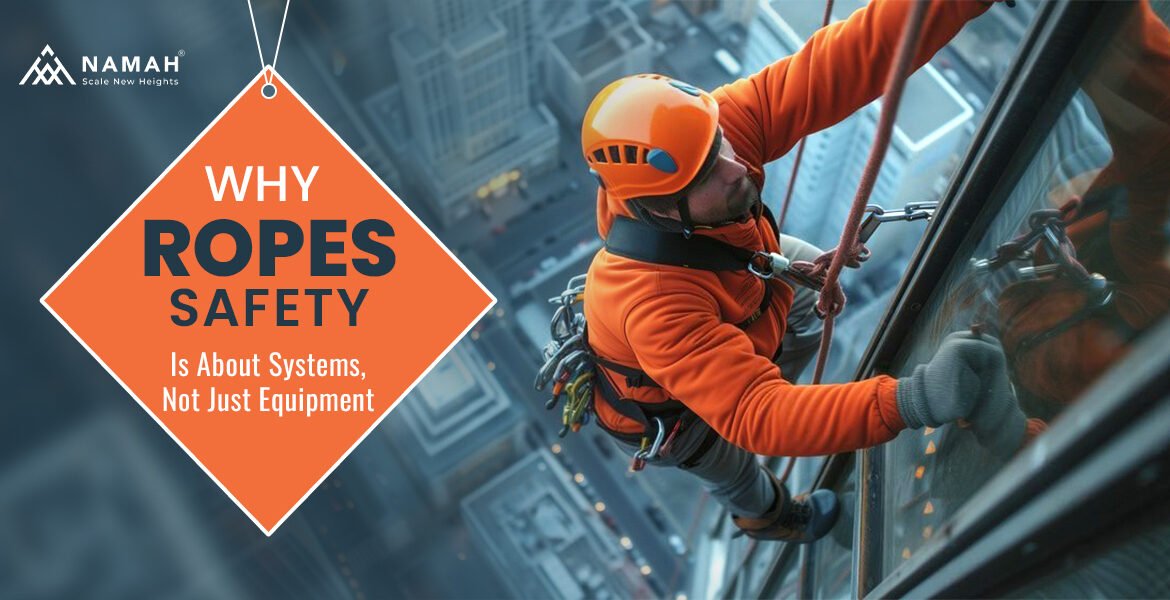
Working at height is rarely about a single component. A rope, no matter how strong, does not function in isolation. It is part of a broader arrangement that includes anchors, connectors, harnesses, descent devices, backup systems, and the people who use them. When something fails at height, it is rarely…
Welcome to the Thirtieth edition of ClimbLife – our bi-monthly newsletter where we bring to you a curated collection of climbing facts & history, the latest news, the latest products in our offering, and the climber of the edition. Namah – A brand from an organization established since 1898, specializing…
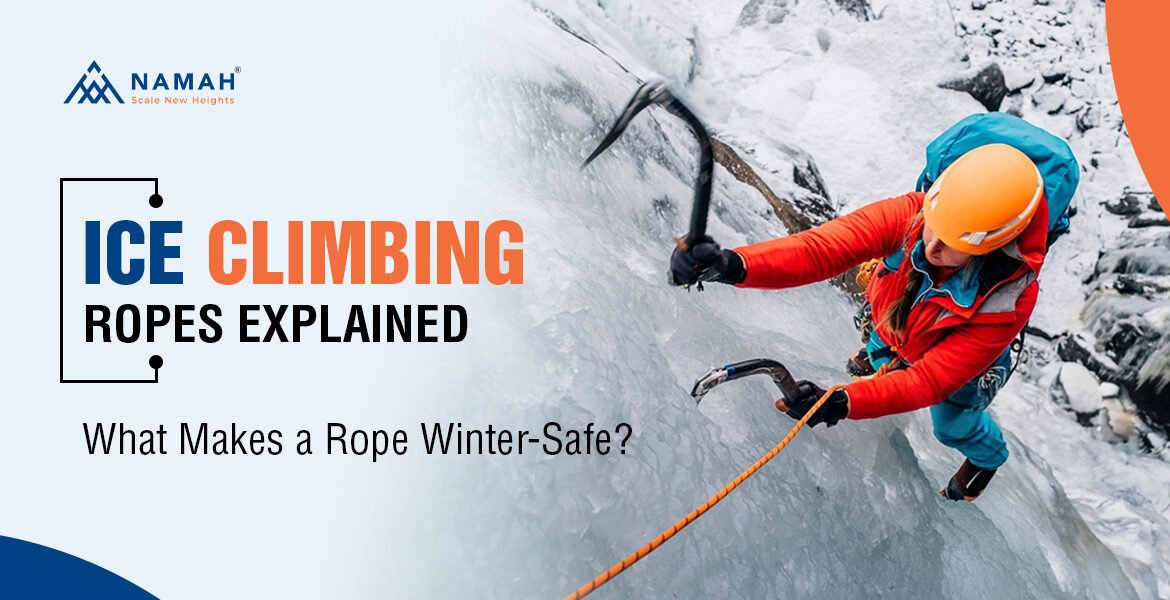
Winter has a way of exposing assumptions. Systems that feel familiar in summer begin to behave differently when temperatures fall, and moisture becomes constant. Metal cools faster. Movements grow deliberate. And ropes, often taken for granted, start revealing whether they were designed for cold reality or fair-weather conditions. In ice…
Winter climbing exposes the truth about systems. Movements slow. Metal feels sharper. Moisture behaves differently. And ropes, which feel familiar in summer, begin to reveal whether they were designed for cold reality or fair-weather assumptions. In ice climbing, rope performance is not judged solely by strength. It is judged by…
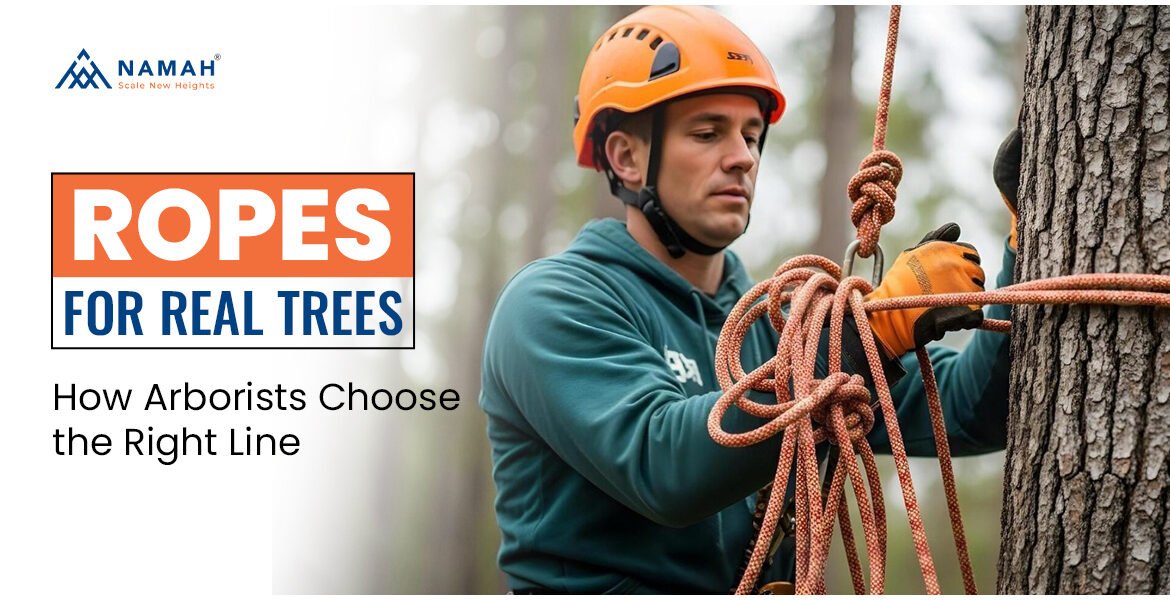
Tree work teaches patience in ways few jobs do. Sap sticks to gloves, bark nicks skin, and every movement carries weight that isn’t always vertical. In that environment, arborist rope selection isn’t just a purchasing decision, it’s a trust decision. The rope you choose shapes how smoothly you climb, how…
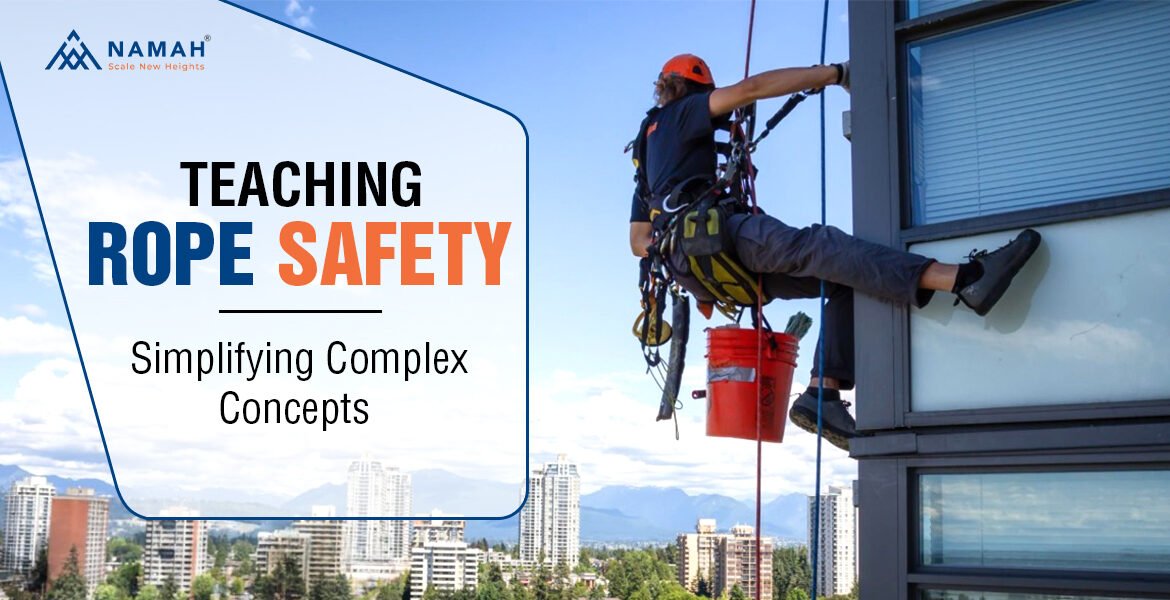
Teaching rope safety is not about overwhelming learners with definitions, numbers, or laboratory test values. Effective teaching rope safety focuses on clarity, application, and repeatable understanding. Climbers and mountaineers rarely fail because they forgot a term; they fail when they don’t understand how a rope behaves in real conditions. This…
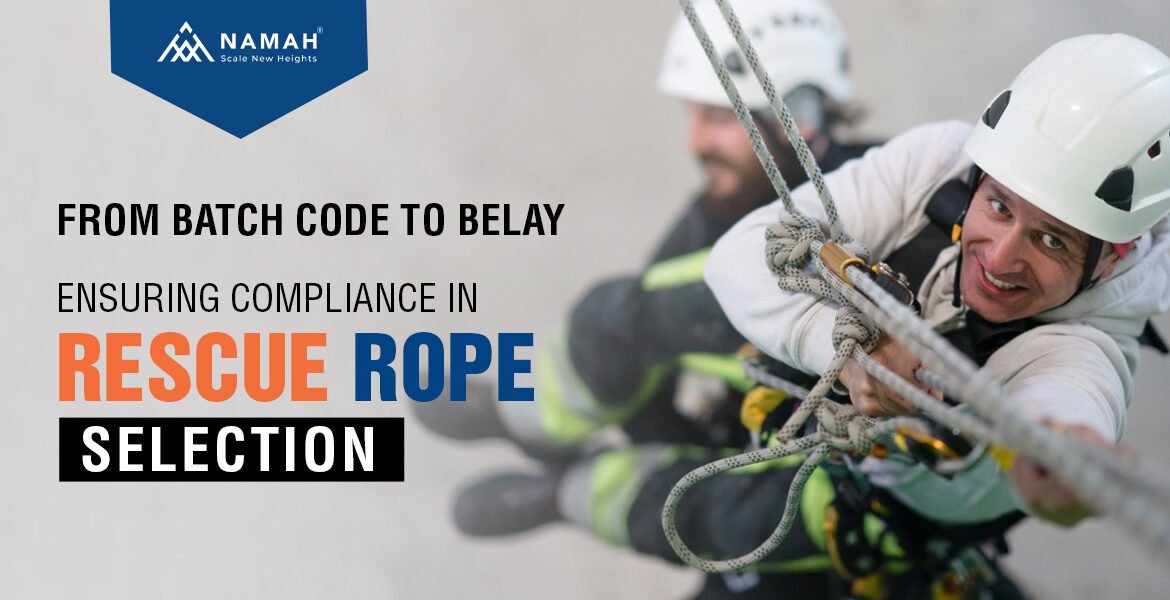
When a call comes in at 01:53, unstable slope, rain turning to sleet, there’s no room for uncertainty. Teams need to know exactly what’s in their hands: the rope’s origin, its intended use, and whether it’s approved for life-safety deployment. At Namah, rescue and access ropes are built with batch…