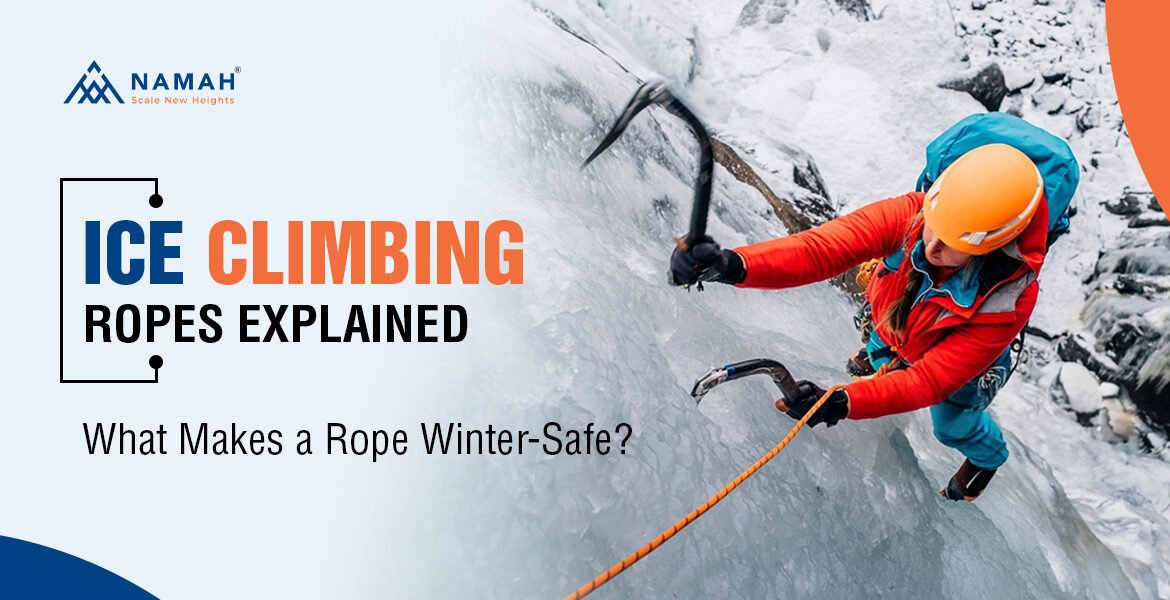

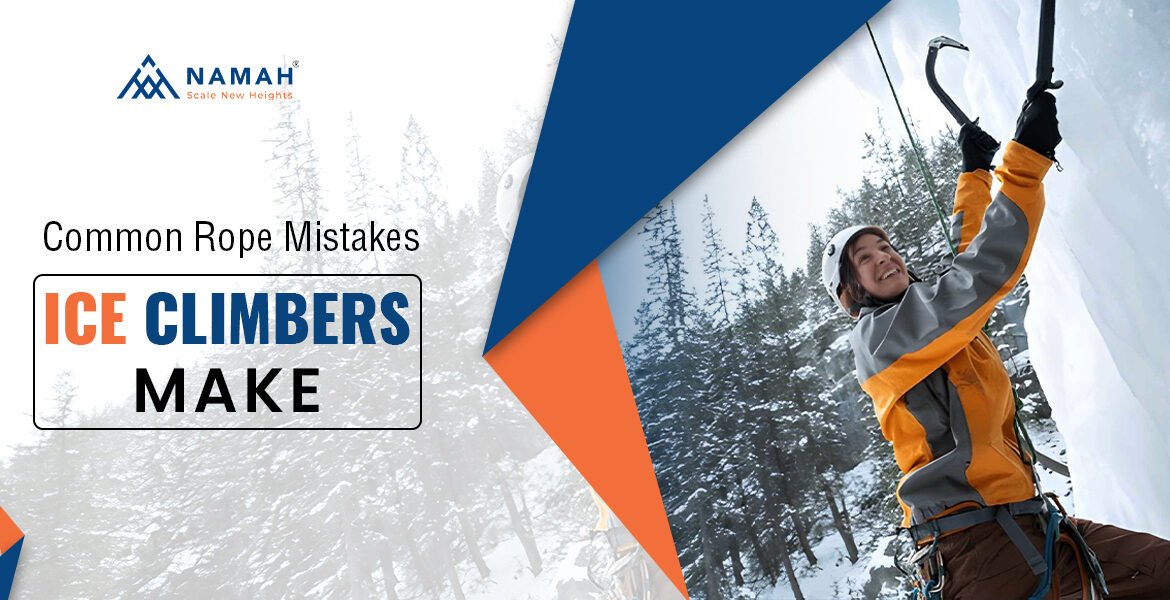
Ice climbing is unforgiving. Unlike rock, ice shifts with temperature, fractures unpredictably, and constantly exposes equipment to moisture and cold. In this environment, rope performance is not only about strength. It is about behaviour under freezing conditions, water exposure, and abrasion. Many accidents attributed to gear are not caused by…
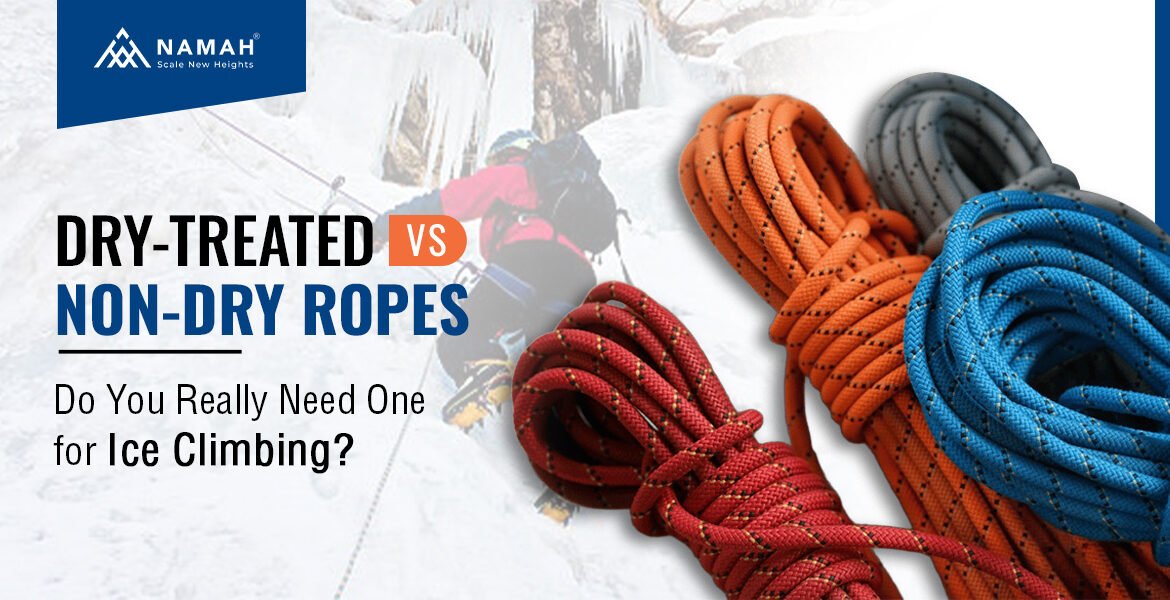
Winter has a way of exposing assumptions. Systems that feel familiar in summer begin to behave differently when temperatures fall, and moisture becomes constant. Metal cools faster. Movements grow deliberate. And ropes, often taken for granted, start revealing whether they were designed for cold reality or fair-weather conditions. In ice…
Winter climbing exposes the truth about systems. Movements slow. Metal feels sharper. Moisture behaves differently. And ropes, which feel familiar in summer, begin to reveal whether they were designed for cold reality or fair-weather assumptions. In ice climbing, rope performance is not judged solely by strength. It is judged by…
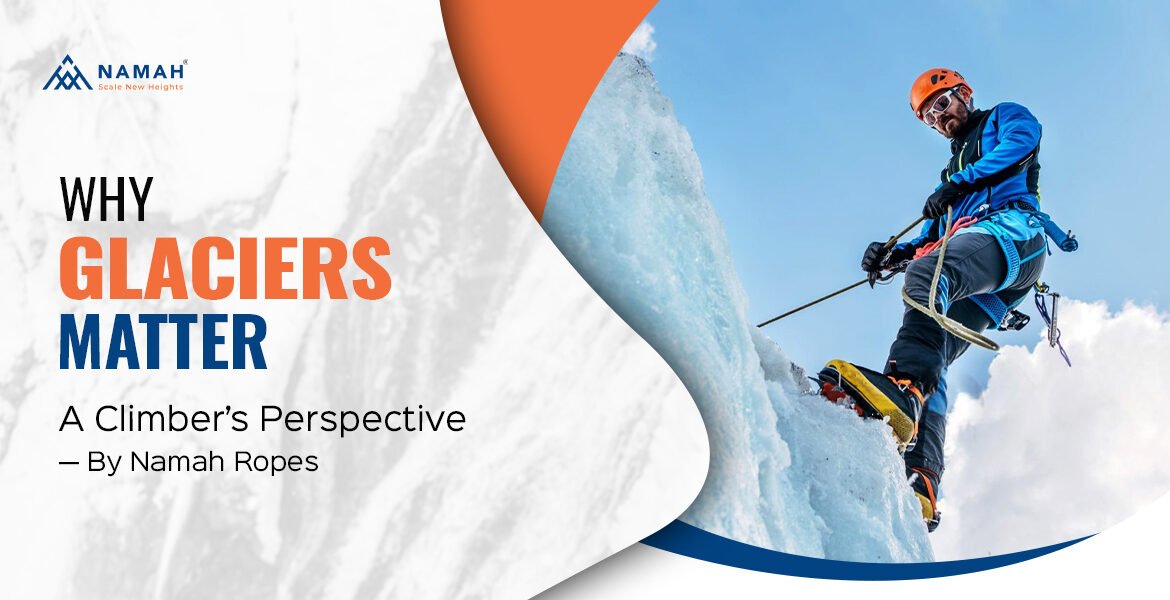
There’s a kind of stillness on a glacier that feels ancient; older than weather patterns, climbing grades, or the first lines ever drawn on a topo map. It’s a quiet that settles into you the moment your crampons bite into ice, reminding you that glaciers aren’t just part of the…
Trust isn’t given on the ice—it’s tied, clipped, and anchored in every fiber of your rope. Whether you’re a seasoned climber or just beginning to explore vertical ice, understanding your climbing rope’s behavior under stress can be the difference between a controlled fall and a dangerous one. Most climbers know…