

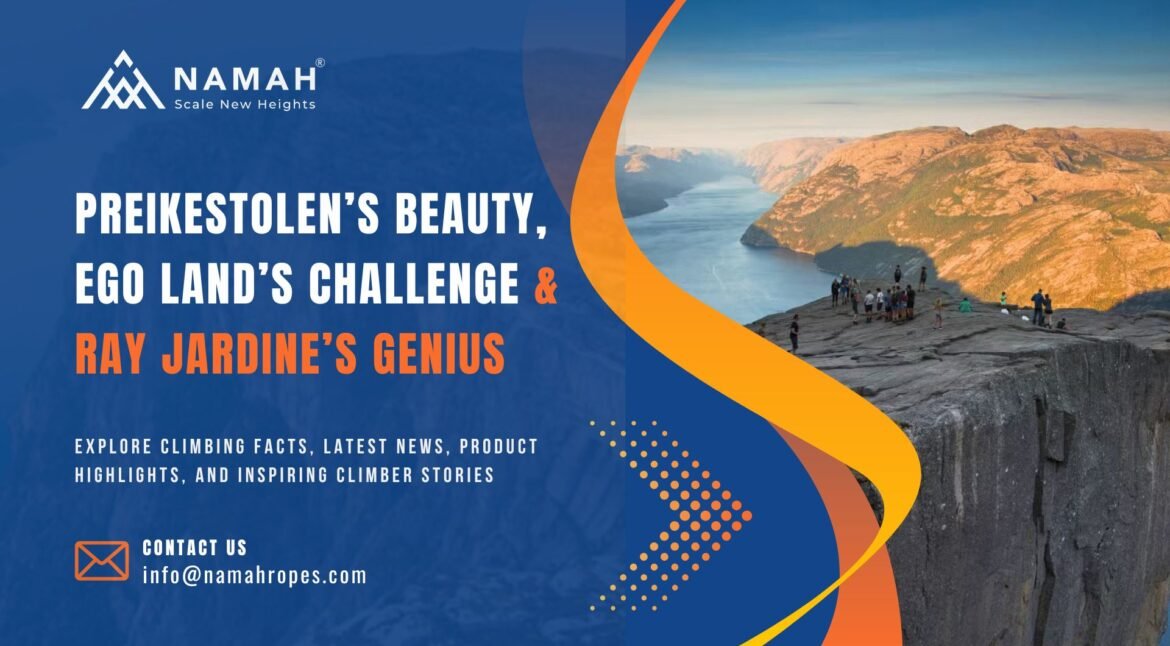
Welcome to the Nineteenth edition of ClimbLife – our bi-monthly newsletter where we bring to you a curated collection of climbing facts & history, the latest news, the latest products in our offering, and the climber of the edition.
Namah – A brand from an organization established since 1898, specializing in the manufacturing and exporting of high-quality UIAA/CE certified Ropes and Safety Harnesses.
Climbing Facts & History
Preikestolen: Norway’s Iconic Cliff Adventure
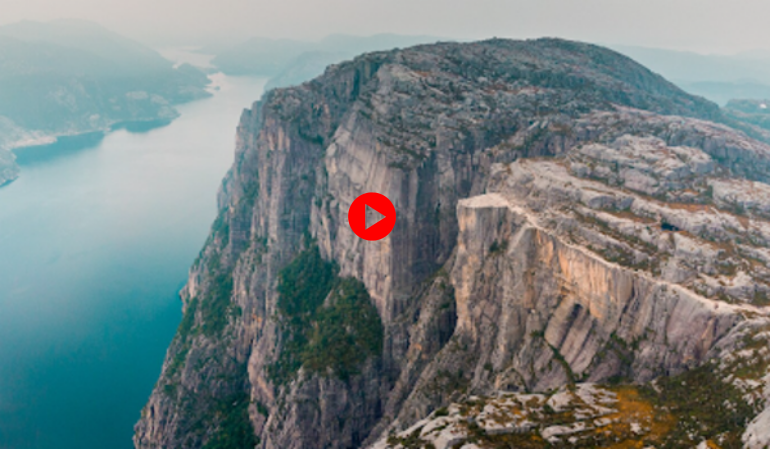
Preikestolen, or Pulpit Rock, is a granite cliff towering 604 meters above Norway’s Lysefjord. Its flat, 25×25 meter summit offers panoramic views, making it a popular tourist destination. The cliff was formed around 10,000 years ago during the last Ice Age when glacial water froze in mountain crevices, causing large blocks to break off. Despite a deep crack along its surface, geological studies confirm the plateau’s stability in the near future.
Located in Rogaland county, Preikestolen attracts approximately 300,000 visitors annually. The most common approach is a 3.8 km hike from Preikestolhytta, taking about 3–4 hours round trip. The trail was enhanced by Nepalese Sherpas in 2013 to accommodate the growing number of trekkers. Visitors can also explore the area via boat tours on Lysefjord or opt for a more challenging hike from Bratteli. Notably, Preikestolen featured in the 2018 film “Mission: Impossible – Fallout.”
View MoreIn The News
Edu Marin Repeats ‘Ego Land’ on Marmolada
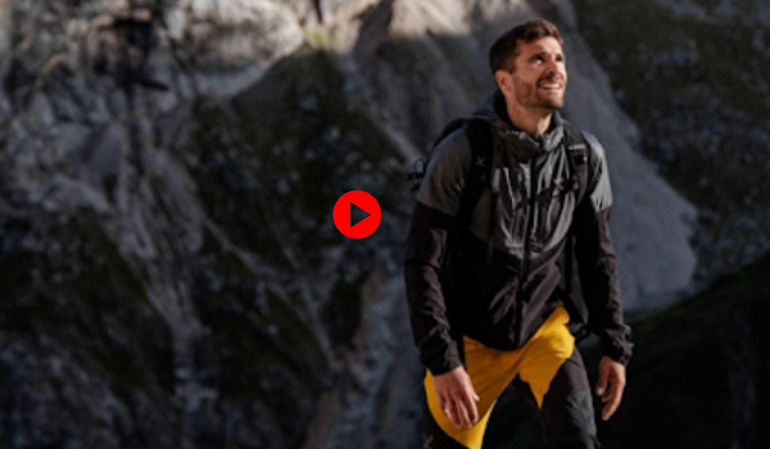
Edu Marin, alongside Juan Pablo Caballero, has completed the second ascent of Ego Land, a challenging 410-meter multi-pitch route on Marmolada’s south face in the Dolomites. Originally established by Bernardo Rivadossi and Massimo Faletti, with the first free ascent by Rivadossi and Luca Bana, the climb reaches difficulties up to 8c/+ (7c+ obligatory).
Traversing the massive overhang of the “Dorso dell’elefante” pillar, the route demands both endurance and technical skill, making it a true test of alpine climbing ability. Marin’s repeat follows his first ascent with Marcello Bombardi in August 2025, underscoring the route’s growing significance in the Dolomites climbing scene. This achievement highlights both the evolution of extreme climbing and the dedication of climbers pushing the limits on Marmolada’s iconic limestone walls.
View MoreProduct Spotlight
Climb Confidently with Indus 10.5mm
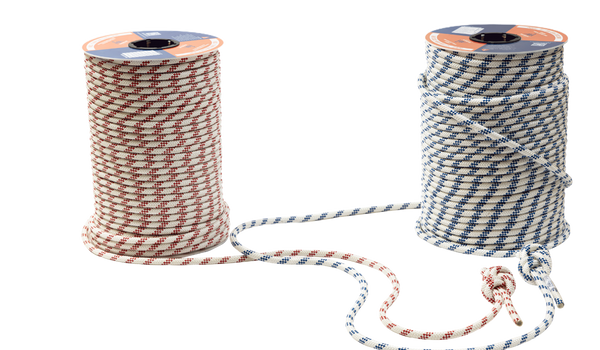
The Indus 10.5mm rope by Namah Ropes is engineered for climbers seeking a perfect blend of strength, durability, and lightweight performance. Its 10.5mm diameter ensures reliable handling while keeping weight manageable, ideal for both indoor walls and outdoor ascents.
Crafted with high-quality materials, the rope is resistant to wear and abrasion, ensuring long-lasting performance even in demanding conditions. Its dynamic properties provide excellent shock absorption, enhancing climber safety during falls and challenging routes.
Available in multiple lengths, the Indus rope adapts to a variety of climbing scenarios, from sport climbing to alpine adventures. Designed for professionals and enthusiasts alike, it guarantees consistency, reliability, and peace of mind on every climb.
Elevate your climbing experience with a rope that combines safety, performance, and endurance in every strand.
View DetailsRay Jardine: The Climber Who Redefined Adventure and Innovation

Ray Jardine (born 1944) is a legendary American rock climber and inventor whose innovations transformed climbing and outdoor adventure. In 1977, he completed the first free ascent of The Phoenix, the first-ever 5.13a (7c+) route, marking a milestone in climbing history. Two years later, he and Bill Price became the first to free climb Yosemite’s West Face of El Capitan.
Jardine revolutionized climbing safety by co-inventing spring-loaded camming devices, known as “Friends,” with Mark Vallance, fundamentally changing traditional climbing protection. Beyond climbing, he influenced ultralight backpacking through his books and Ray-Way Products, promoting DIY gear and minimalist techniques.
His contributions have left a lasting legacy, inspiring climbers and backpackers worldwide to innovate, push limits, and embrace safer, lighter, and smarter approaches to outdoor exploration.
Watch NowIndustry insights
The Alpine Club vs. The American Alpine Club: Different Roots, Same Summit
How have two legendary climbing organizations shaped mountaineering across generations and continents?
First, The Alpine Club (UK), founded in 1857, is the world’s first mountaineering club. It fostered a culture of exploration, documentation, and knowledge sharing, with members pioneering Alpine routes while blending adventure with science and art.
Across the Atlantic, The American Alpine Club (US) began in 1902, prioritizing climber support, safety, education, and conservation. It built a strong community, advocating for climbing access, preserving climbing areas, and funding expeditions.
Despite their different origins, both clubs share a mission: advancing mountaineering, connecting climbers worldwide, and preserving mountain environments. They exemplify how passion and dedication—whether in the Alps or the Rockies—create lasting legacies.
The Alpine Club
The American Alpine Club
The summit is just the beginning with Namah – ClimbLife.
Stay connected! Follow us on Instagram and Facebook for daily updates, tips, and more. Remember, every climb begins with a single step, and we’re here to support you every step of the way.
Happy Climbing!
If you have feedback for us or want to reach out to us regarding something, feel free to contact us via the details provided below.
Write an email to info@namahropes.com (or) Call +91 98111 80634 to get connected with our team.